
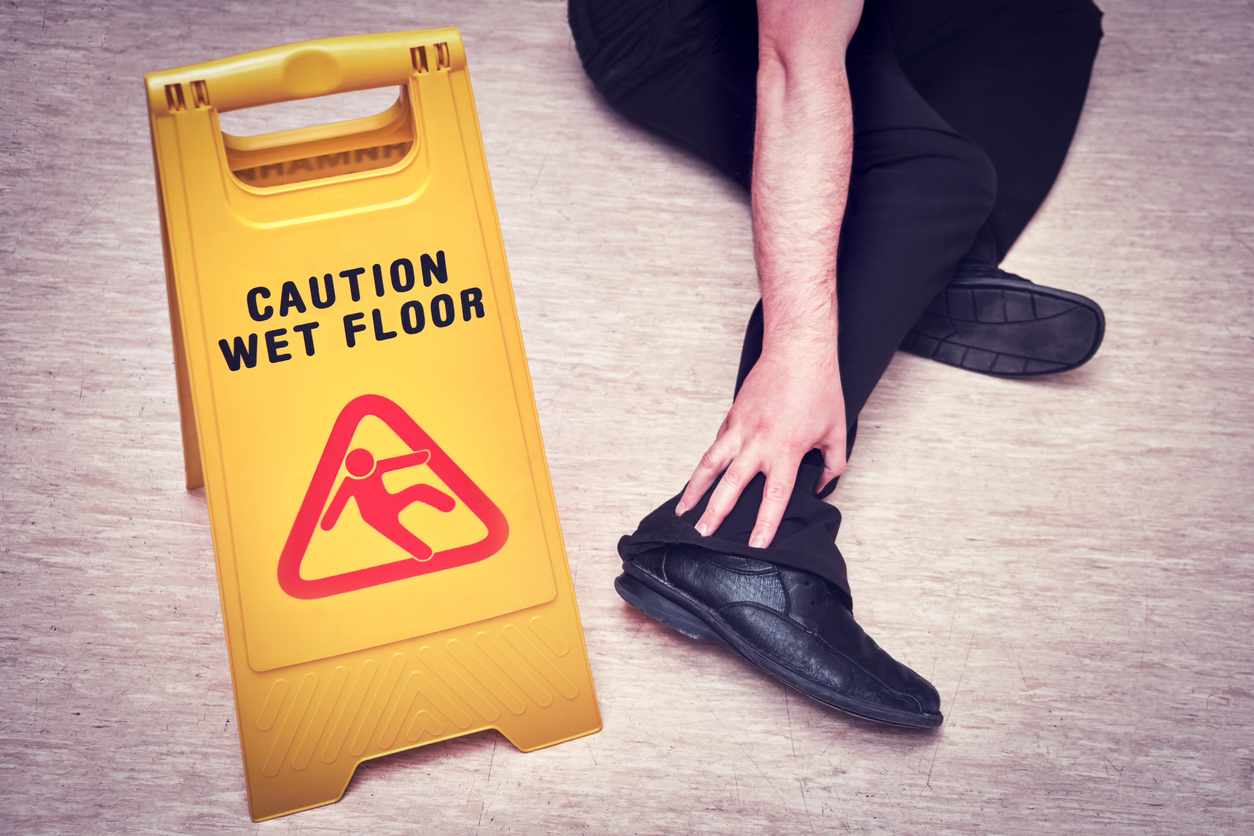
Slip-and-fall accidents can happen unexpectedly, often when you least expect them. A wet supermarket floor, uneven footpath, poorly maintained staircase or slippery shopping centre entrance can result in injuries ranging from minor bruising to fractures, head injuries or long-term mobility issues.
While many people initially believe they've escaped serious harm, some injuries may not become fully apparent until hours or even days after the accident. Seeking medical attention is always the first priority, but it's also important to understand your legal rights if the accident occurred because someone else failed to maintain a safe environment.
If you've been injured, speaking with experienced slip and fall lawyers in Sydney soon after the incident can help you understand whether you may have grounds to make a compensation claim. Early legal advice can also help preserve important evidence while ensuring you understand the steps involved in the claims process.
This guide explains why prompt legal advice matters, what evidence is important after a slip and fall accident, and how Australian compensation laws may apply.
What Is a Slip and Fall Accident?
A slip and fall accident occurs when a person is injured after slipping, tripping or falling because of a hazardous condition on someone else's property.
Common locations include:
Shopping centres
Supermarkets
Restaurants and cafés
Office buildings
Car parks
Hotels
Public footpaths
Apartment complexes
Schools
Sporting venues
Property owners and occupiers generally have a legal responsibility to take reasonable steps to maintain safe premises for visitors.
Common Causes of Slip and Fall Accidents
Many accidents occur because hazards are not identified or addressed promptly.
Common causes include:
Wet floors without warning signs
Uneven flooring
Loose carpets or mats
Broken footpaths
Poor lighting
Damaged stairs
Spilled liquids
Obstructions in walkways
Potholes
Inadequate maintenance
Whether compensation may be available depends on the specific circumstances and whether negligence can be established.
Common Injuries Following a Fall
Slip and fall accidents can result in injuries that vary significantly in severity.
Some of the more common injuries include:
Sprains and strains
Broken bones
Wrist fractures
Shoulder injuries
Knee injuries
Hip fractures
Back injuries
Neck injuries
Concussions
Head injuries
Older Australians may be particularly vulnerable to serious complications following a fall, especially where fractures or head injuries are involved.
Why Medical Attention Should Come First
Even if you believe your injuries are minor, seeking prompt medical assessment is important.
Medical treatment helps:
Identify injuries early
Begin appropriate treatment
Create medical records
Monitor recovery
Document the extent of injuries
Medical records often become important evidence if a compensation claim is later pursued.
Why Contacting a Lawyer Early Can Help
After receiving medical treatment, obtaining legal advice as early as possible may assist in protecting your legal position.
Early advice can help:
Preserve evidence
Clarify your legal rights
Explain applicable time limits
Identify potential witnesses
Guide communication with insurers
Reduce uncertainty throughout the process
Speaking with a lawyer does not automatically mean legal proceedings will commence. It simply allows you to understand your available options.
Evidence Can Disappear Quickly
One of the biggest reasons to seek early legal advice is that evidence can change or disappear soon after an accident.
Important evidence may include:
CCTV footage
Photographs of the hazard
Witness details
Incident reports
Medical records
Maintenance records
Cleaning logs
For example, if you experience a shopping centre slip, the spill or hazard may be cleaned immediately after the incident, making early photographs particularly valuable.
Similarly, CCTV recordings may only be retained for a limited period before being overwritten.
Reporting the Incident
If your accident occurs at a business or public venue, report the incident as soon as possible.
Request that an incident report be completed and, where possible, ask for a copy or record the report number.
Reporting the accident helps establish:
The date
The location
The circumstances
The people notified
Accurate reporting may assist later if questions arise about how the accident occurred.
Understanding Public Liability Claims
Many slip and fall matters are pursued as public liability claims.
These claims generally involve situations where a property owner, occupier or organisation may have failed to take reasonable steps to keep visitors safe.
Examples include:
Failing to clean known spills
Ignoring damaged flooring
Inadequate lighting
Poor maintenance
Failure to display warning signs
Whether negligence occurred depends on the individual facts of each case.
What Compensation May Cover?
Where a claim is successful, compensation varies according to the specific circumstances and applicable legislation.
Depending on the nature of the injury, compensation may include:
Medical expenses
Rehabilitation costs
Loss of income
Future treatment expenses
Care and assistance costs
Pain and suffering (where available under applicable laws)
Not every claim includes the same types of compensation, and legal advice should be obtained regarding individual entitlements.
How Can Slip and Fall Lawyers Assist?
Experienced slip and fall injury lawyers assist clients throughout the claims process by:
Explaining legal rights
Investigating the accident
Gathering evidence
Obtaining medical reports
Communicating with insurers
Negotiating settlements
Representing clients if court proceedings become necessary
Having legal representation can help simplify what is often a complex legal process.
What Happens During the Claims Process?
Although every matter differs, many claims involve several common stages.
Initial Consultation
Your lawyer will discuss:
How the accident occurred
The injuries sustained
Medical treatment received
Available evidence
Potential legal options
This consultation provides an opportunity to understand your rights before deciding whether to proceed.
Investigation
Your legal team may begin collecting evidence including:
Medical records
CCTV footage
Photographs
Witness statements
Incident reports
Maintenance documentation
The objective is to establish how the accident occurred and whether negligence may have contributed.
Lodging the Claim
If appropriate, your lawyer prepares and lodges the claim with the relevant insurer or responsible party.
They will continue managing communications while keeping you informed throughout the process.
Resolution
Some matters resolve through negotiation, while others may require court proceedings if liability or compensation remains disputed.
Every claim follows its own timeline depending on the complexity of the evidence and legal issues involved.
Common Mistakes to Avoid
Following a slip and fall accident, people sometimes unintentionally make decisions that can complicate future claims.
Common mistakes include:
Delaying medical treatment
Failing to report the incident
Not taking photographs
Forgetting to obtain witness details
Delaying legal advice
Assuming injuries are minor without medical assessment
Taking prompt action helps preserve both your health and any potential legal rights.
Choosing Experienced Legal Representation
Not all personal injury matters are the same.
When choosing between slip and fall attorneys or compensation lawyers, consider firms that offer:
Experience with public liability claims
Clear communication
Personalised legal advice
Compassionate client service
Strong understanding of NSW compensation law
A lawyer who explains the process clearly can help reduce stress while ensuring you remain informed throughout your claim.
Looking After Your Recovery
Recovering from a slip and fall accident often involves more than treating the initial injury.
Depending on the severity of the accident, recovery may include:
Physiotherapy
Occupational rehabilitation
Specialist medical care
Ongoing GP treatment
Psychological support where appropriate
Following your healthcare provider's recommendations is important for both your recovery and any medical documentation relating to your injuries.
Conclusion
Slip and fall accidents can result in injuries that affect your health, employment and everyday life. Seeking medical treatment should always be your first priority, but obtaining early legal advice can also be an important step in protecting your rights. By preserving evidence, understanding the legal process and receiving personalised guidance, you can make informed decisions about whether pursuing a claim is appropriate for your circumstances.
If you've been injured and would like to understand your legal options, the experienced team at Law Works Compensation Lawyers can provide practical advice tailored to your individual situation. With extensive experience assisting clients across New South Wales, Law Works Compensation Lawyers is committed to helping injured Australians navigate the compensation process with professionalism, clarity and compassion.







Write a comment ...